For one of my jobs I was in charge of testing the usability of a search user interface. This search UI was to help climate scientists access data from the environment. The task of working on the usability of the search UI gave me a better understanding of user issues and how difficult it is to determine a good search UI without testing usability.
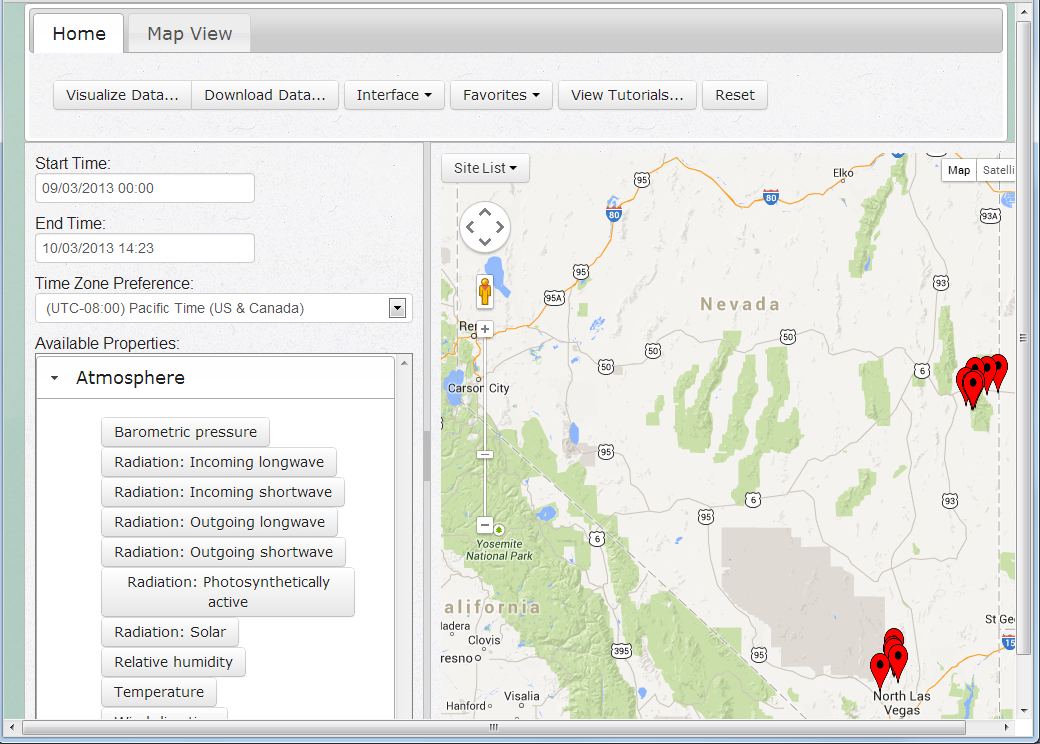
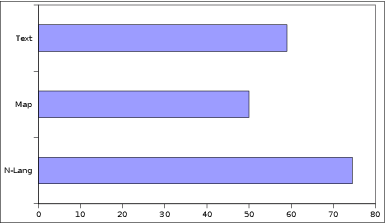
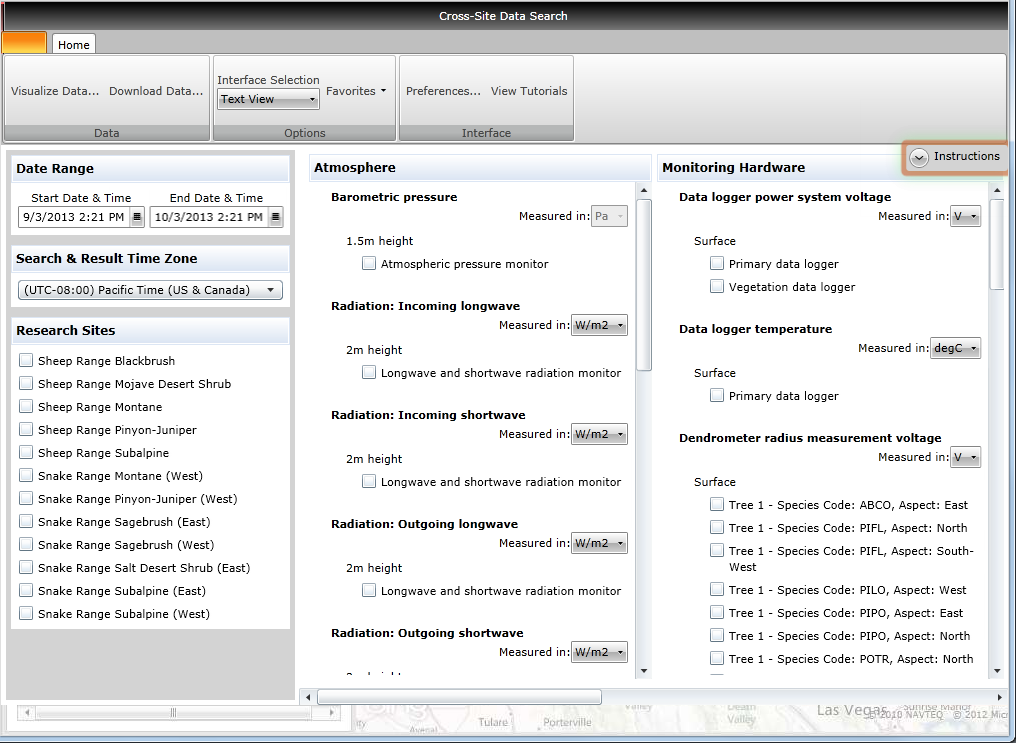
The first generation of the search UI is shown in Figure 1 and it is referred to here as the text version. In an effort to improve the UI, the team decided to add some graphical aspects and to try to eliminate the long columns of check boxes (Figure 2), which we will refer to as the map version. The problem here was that the System Usability Scale (SUS) scores of the usability tests had the text version winning over the map version with a score of 59 versus 50.
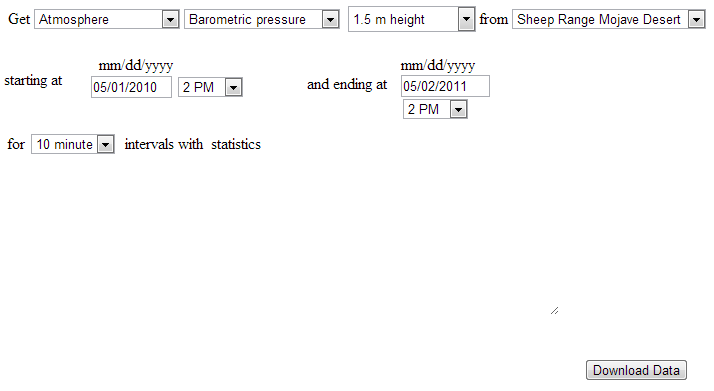
This failure of the map version to beat the text version was confusing, so we did more research into the UI [1, 2, 3]. After all of this reading and researching, we settled on trying out a natural language interface [3]. This interface uses a structured way for a user to create a query for the search (Figure 3). Now, the testing revealed an SUS score of 74.5! That is quite an improvement. The results of the different options are presented in Figure 4.
So, why did the natural language interface win? My impression was that it held a number of advantages over the other options. First, it required the least amount of scrolling to specify a query and the other options all involved tedious scrolling to see options that could not be listed on one screen. A second reason could be that the natural language specifies the order of operation for making a query, where the other pages required the user to figure out the order and the users I tested did not always get all the options specified and would have to go back after the page notified them of the lack of information they were providing. A third reason it dominated the other pages was probably due to simplicity. The other pages contained a lot more engineering complexity and that required more engineering effort and it created more problems when trying to insure that all browsers were compatible. This especially affected the map version, as there were obfuscation problems with specifying search sites in a graphic map and the specialized tools used to create the site caused a number of problems on other browsers.